
Emmanuel Pahud Dazzles Zagreb Audience
World-renowned flautist Emmanuel Pahud delivered a memorable performance with the Zagreb Philharmonic Orchestra at a packed Vatroslav Lisinski Concert Hall, earning prolonged applause and an enthusiastic standing ovation. Under the direction of chief conductor Dawid Runtz, the concert brought together works by Richard Wagner, Sergei Prokofiev and Richard Strauss, highlighting both the extraordinary artistry of the Swiss-French musician and the expressive power of Zagreb's leading symphony orchestra.
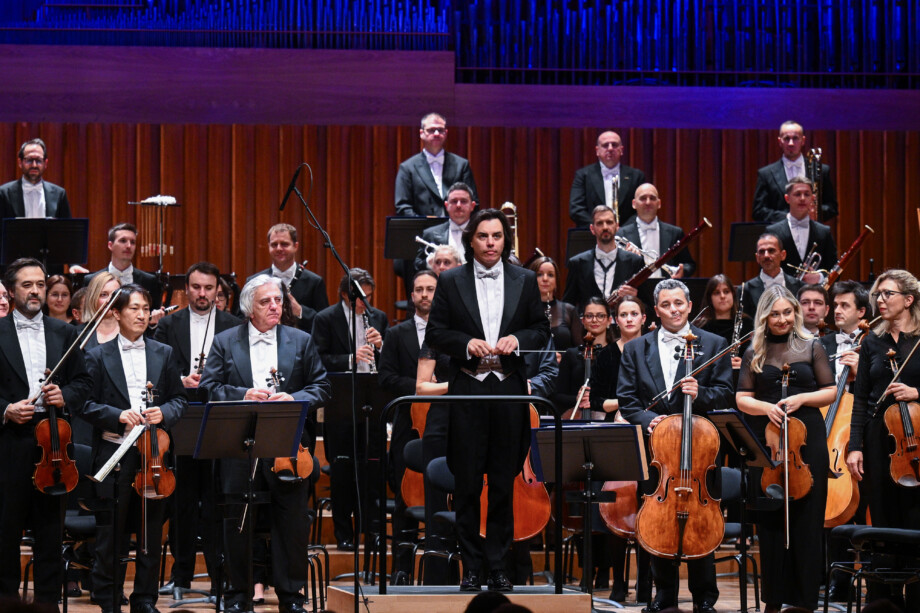
The Zagreb Philharmonic Orchestra welcomed internationally acclaimed flautist Emmanuel Pahud for an exceptional evening of classical music at Vatroslav Lisinski Concert Hall. Performing as part of the orchestra's prestigious Blue Cycle concert series, Pahud captivated the audience with his technical precision, expressive interpretation and remarkable command of the flute. The programme, conducted by Dawid Runtz, combined the delicate virtuosity of Prokofiev's music with the dramatic orchestral intensity of Wagner and Strauss.
The concert attracted a full audience to Zagreb's most prominent concert hall, reflecting the considerable interest surrounding Pahud's appearance. Having performed on some of the world's most prestigious stages and served for decades as principal flautist of the Berlin Philharmonic, Pahud brought an international dimension to an evening that also showcased the Zagreb Philharmonic's musical development under Runtz. According to the concert report published by Glazba.hr, the performance was greeted with enthusiastic applause and prolonged ovations, confirming the evening as a highlight of the orchestra's current subscription season.
Pahud's Virtuosity Takes Centre Stage
The central attraction of the programme was Pahud's interpretation of Sergei Prokofiev's Concert Sonata for Flute and Orchestra in D major, Op. 94. The composition places exceptional demands on the soloist, combining lyrical passages, intricate technical sequences and rapid changes in musical character. Pahud's performance demonstrated the qualities that have established him as one of the most distinguished flautists of his generation, moving effortlessly between delicate melodic phrases and passages requiring extraordinary agility.
His playing brought a wide range of expression to the music, with moments of intimate sensitivity contrasting with brilliant, rhythmically energetic sections. The Zagreb Philharmonic provided a carefully balanced orchestral accompaniment, allowing the solo instrument to remain prominent without sacrificing the composition's broader musical structure. The interaction between soloist and orchestra was particularly important in a work whose expressive possibilities depend on precision, musical dialogue and close coordination.
The audience responded enthusiastically to Pahud's interpretation, rewarding him with extended applause and ovations. The reaction reflected both the quality of his performance and the significance of welcoming an artist so closely associated with the Berlin Philharmonic to Zagreb.
Pahud's career has been exceptional from an early age. He joined the Berlin Philharmonic at just 22, becoming its youngest member at the time, and has since established an international reputation through orchestral performances, solo appearances and chamber music collaborations. His musical approach combines technical mastery with an emphasis on expressive freedom, allowing him to explore the flute's full tonal range across repertoire from different periods.
His Zagreb appearance offered Croatian audiences an opportunity to experience that artistry in a symphonic setting, where the soloist's interpretation could develop through direct interaction with the orchestra. Rather than relying on technical brilliance alone, Pahud's performance emphasised musical character, phrasing and the expressive details that distinguish an accomplished interpretation from a purely virtuosic display.
Wagner and Strauss Highlight the Orchestra's Strength
Although Pahud was the evening's headline soloist, the Zagreb Philharmonic also delivered an ambitious orchestral programme that demonstrated its range and versatility. The concert opened with Richard Wagner's Prelude and Isolde's Liebestod from the opera Tristan und Isolde, one of the most influential works of nineteenth-century Romantic music. Its rich harmonies, extended melodic lines and gradual accumulation of tension provided an atmospheric introduction to the evening.
Wagner's music requires exceptional control of orchestral colour and balance, particularly as the composition develops from restrained passages into powerful emotional climaxes. Under Runtz's direction, the Zagreb Philharmonic approached the work with an emphasis on continuity and dramatic expression, allowing the music's contrasting textures to unfold naturally.
The programme concluded with Richard Strauss's symphonic poem Death and Transfiguration, Op. 24. The composition explores themes of mortality, struggle and spiritual transformation through an elaborate orchestral narrative, moving between moments of tension and passages of expansive musical expression.
Strauss's writing demands substantial technical and expressive resources from the entire orchestra, with individual instrumental sections contributing to the work's evolving emotional character. The Zagreb Philharmonic's performance provided a fitting conclusion to the concert, demonstrating the ensemble's ability to sustain dramatic intensity across a large-scale symphonic composition. The audience remained attentive throughout, according to the published concert report, before responding enthusiastically at the conclusion.
The combination of Wagner and Strauss also created a coherent musical framework around Prokofiev's flute work. While the central performance emphasised instrumental virtuosity and rhythmic invention, the surrounding compositions explored the expressive depth of the Romantic orchestral tradition. Together, the three works offered audiences a programme rich in musical contrasts and demanding technical challenges.
Dawid Runtz Strengthens His Connection With the Orchestra
A defining element of the evening was the relationship between the Zagreb Philharmonic musicians and their chief conductor, Dawid Runtz. The Polish maestro has developed a reputation for detailed preparation, expressive interpretations and a conducting style that encourages direct communication with the orchestra. His decision to conduct from memory, without a score, was particularly notable during the concert, allowing him to maintain close visual contact with the musicians throughout the performances.
That approach can be especially valuable in compositions requiring complex coordination and precise control of changing musical dynamics. Wagner's extended harmonic passages and Strauss's dramatic orchestral writing demand a strong relationship between conductor and ensemble, with small changes in tempo and expression influencing the overall interpretation. Runtz's leadership helped bring clarity and cohesion to the programme while allowing individual instrumental sections to contribute their distinctive musical colours.
The concert also reflected the artistic direction of the Zagreb Philharmonic's 2026/27 season, which combines internationally recognised guest artists with major orchestral works and opportunities to present different interpretations of the classical repertoire. Pahud's appearance was among the prominent international collaborations of the Blue Cycle, a subscription series designed to showcase outstanding performers and ambitious symphonic programmes.
The orchestra's official season programme confirms that the evening featured Wagner's Tristan und Isolde music, Prokofiev's Flute Sonata in its orchestral version and Strauss's Death and Transfiguration. The selection provided a demanding musical journey through contrasting compositional styles, requiring sensitivity, precision and expressive versatility from both soloist and ensemble.
A Major Evening for Zagreb's Classical Music Scene
The enthusiastic response to the concert highlighted the continuing importance of international collaborations within Zagreb's classical music community. Performances featuring musicians of Pahud's stature provide opportunities for local audiences to experience world-class interpretations while allowing Croatian orchestras to collaborate directly with artists who regularly appear at leading international venues.
For the Zagreb Philharmonic, such collaborations also contribute to the development of its artistic profile. Working with distinguished soloists places particular demands on orchestral precision, flexibility and communication, encouraging musicians to approach familiar repertoire with renewed attention to detail.
Vatroslav Lisinski Concert Hall remains central to that musical activity. As one of Croatia's most important cultural venues, it provides a setting for large-scale orchestral concerts, internationally acclaimed performers and events that connect the country's classical music tradition with the wider European scene.
The Zagreb Philharmonic's season continues with further performances featuring international guests and a broad selection of orchestral repertoire. Among the upcoming concerts are appearances by violinist Maria Sotriffer with conductor Valentin Egel, as well as violinist Orest Shourgot under the direction of Marija Ramljak. Those programmes continue the orchestra's commitment to presenting both established works and artists from different musical backgrounds.
Pahud's performance, however, will remain a particularly memorable moment of the season. The combination of a celebrated international soloist, an ambitious programme and an orchestra performing under its chief conductor created an occasion that demonstrated the expressive possibilities of live classical music.
The collaboration between Emmanuel Pahud, Dawid Runtz and the Zagreb Philharmonic was a celebration of musical virtuosity and orchestral artistry. From the expressive delicacy of Prokofiev's flute writing to the dramatic intensity of Wagner and Strauss, the concert offered a compelling exploration of the classical repertoire. The prolonged ovations at Lisinski provided a fitting conclusion to an evening that further reinforced Zagreb's position as an important destination for international classical music.
Related stories
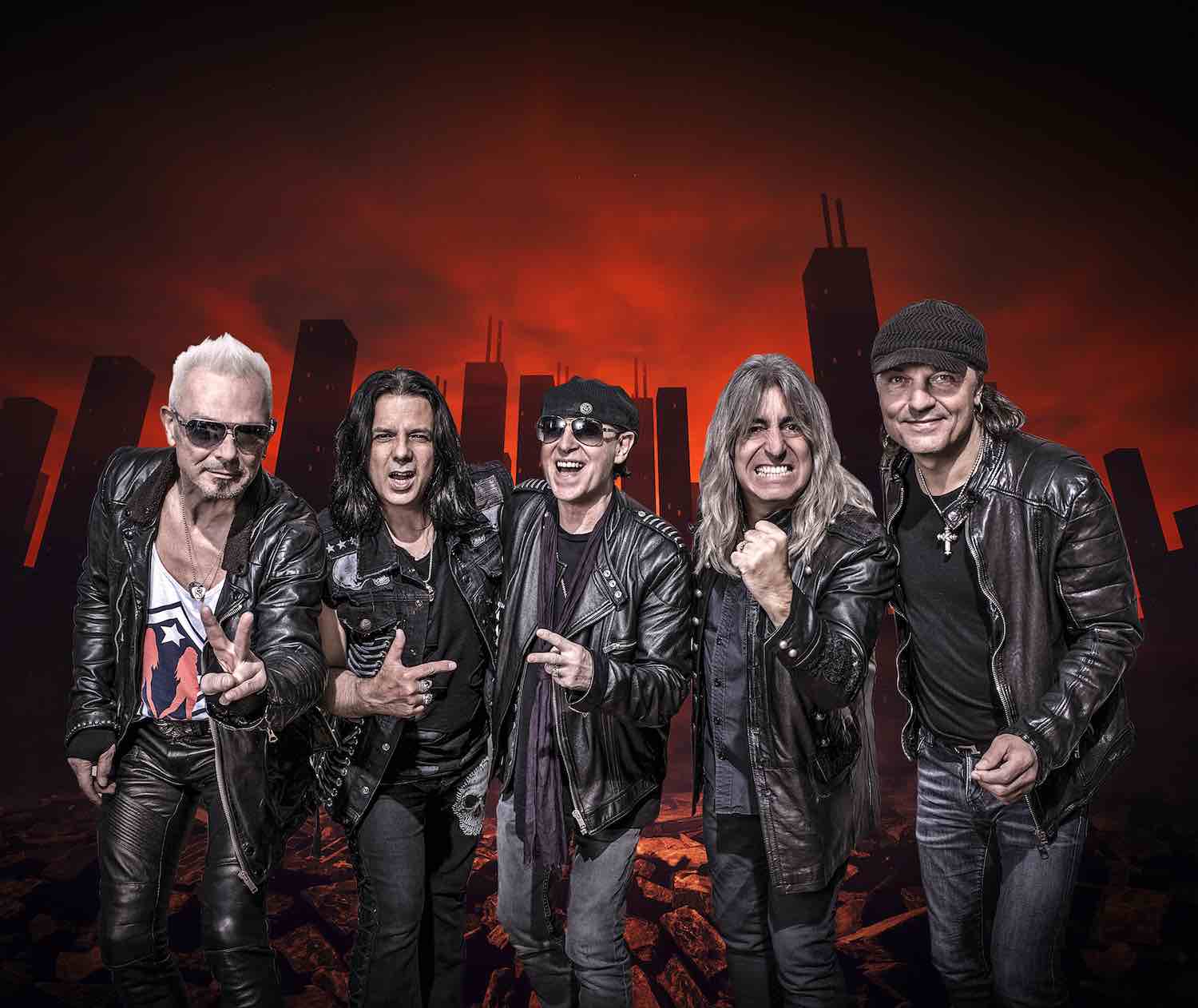
Scorpions Return to Zagreb With Europe in 2027
German rock legends Scorpions will return to Zagreb for their first concert in the Croatian capital in 37 years, performing at Arena Zagreb on June 12, 2027. The show forms part of their international Love, Peace & Rock ’N’ Roll Tour, with Swedish rock icons Europe joining them as special guests. The concert promises an evening of classic hard rock, bringing together two influential bands whose songs have defined generations of rock music.
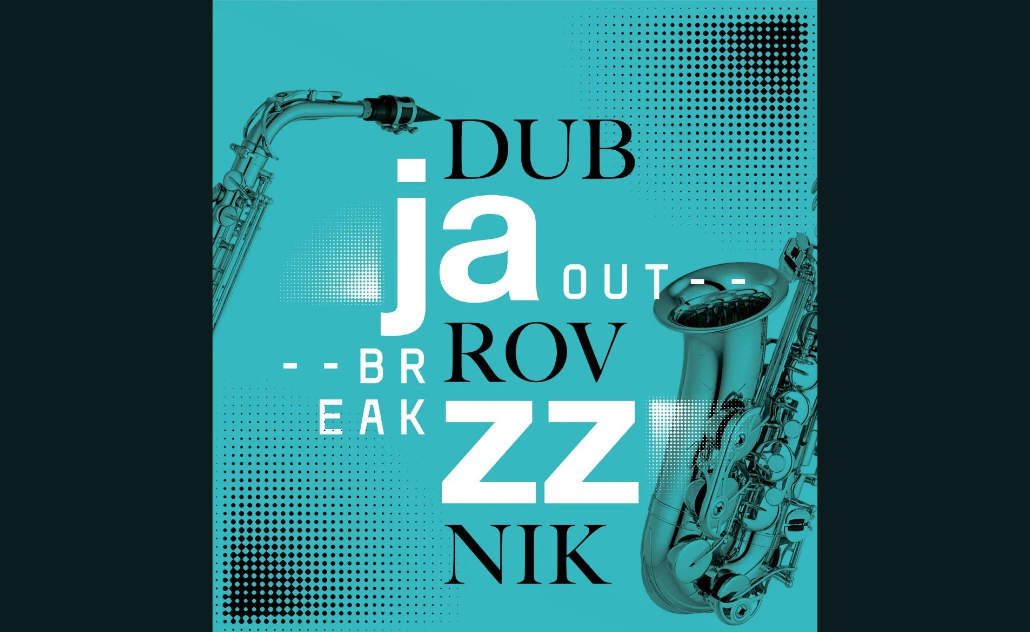
Dubrovnik Jazz Outbreak Returns With International Stars
Dubrovnik is preparing to welcome an impressive lineup of Croatian and international jazz musicians as the sixth edition of Dubrovnik Jazz Outbreak takes over the historic Lazareti complex from November 6 to 8, 2026. Featuring acclaimed trumpeter Nadje Noordhuis, pianist Bojan Zulfikarpašić and leading Croatian ensembles, the three-day festival will offer four concerts alongside a photography exhibition and an educational masterclass for young musicians.
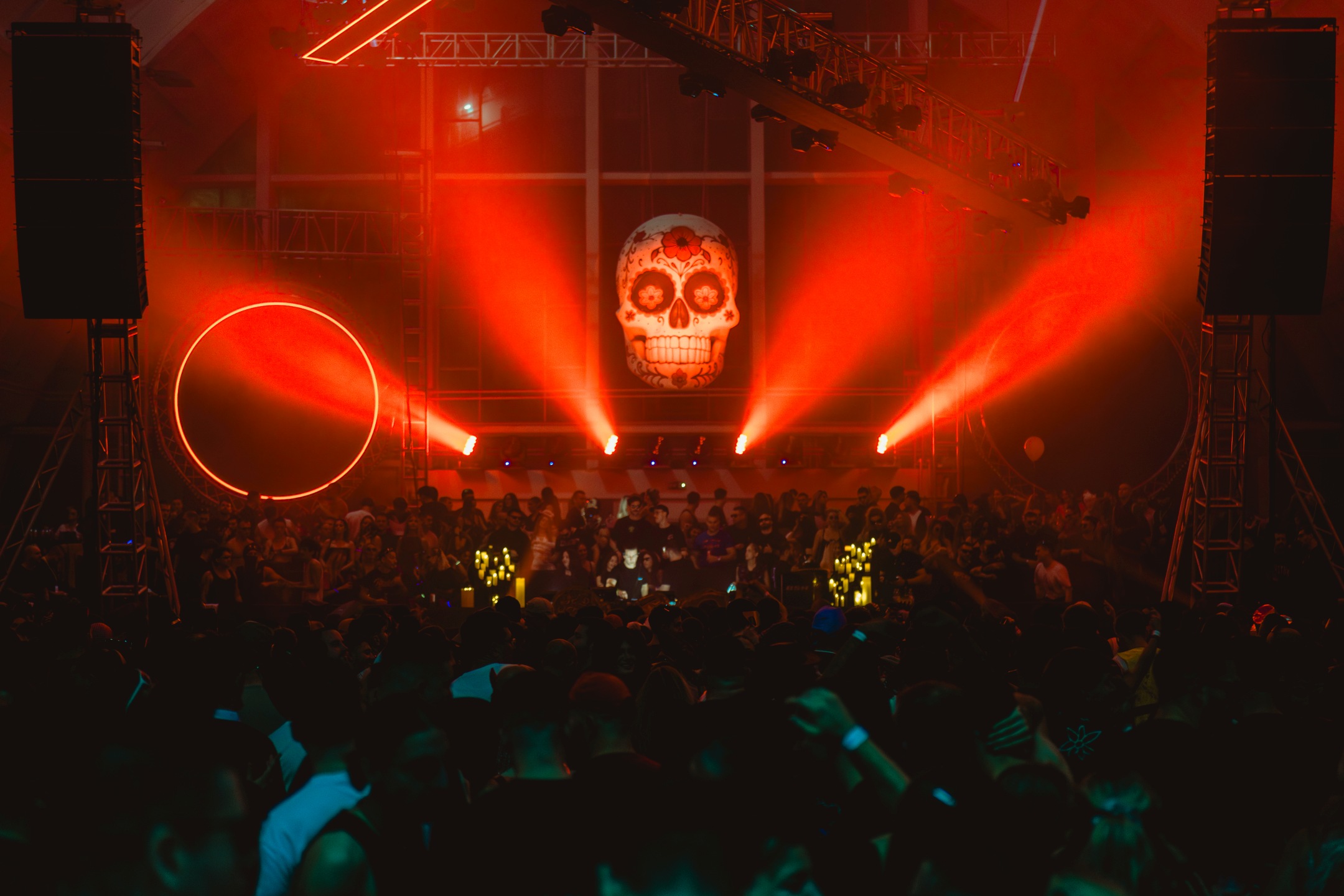
Klangkuenstler Brings Hard Techno to Zagreb
German techno star Klangkuenstler headlined BSH Día de los Muertos at Zagreb Fair, transforming one of the Croatian capital's largest exhibition venues into an industrial-style rave arena. Joined by Alicya Bezgo, DJ Jock and Kali, the internationally acclaimed producer led a Halloween weekend celebration featuring eight hours of electronic music, striking visual production and the uncompromising sound of modern hard techno.